
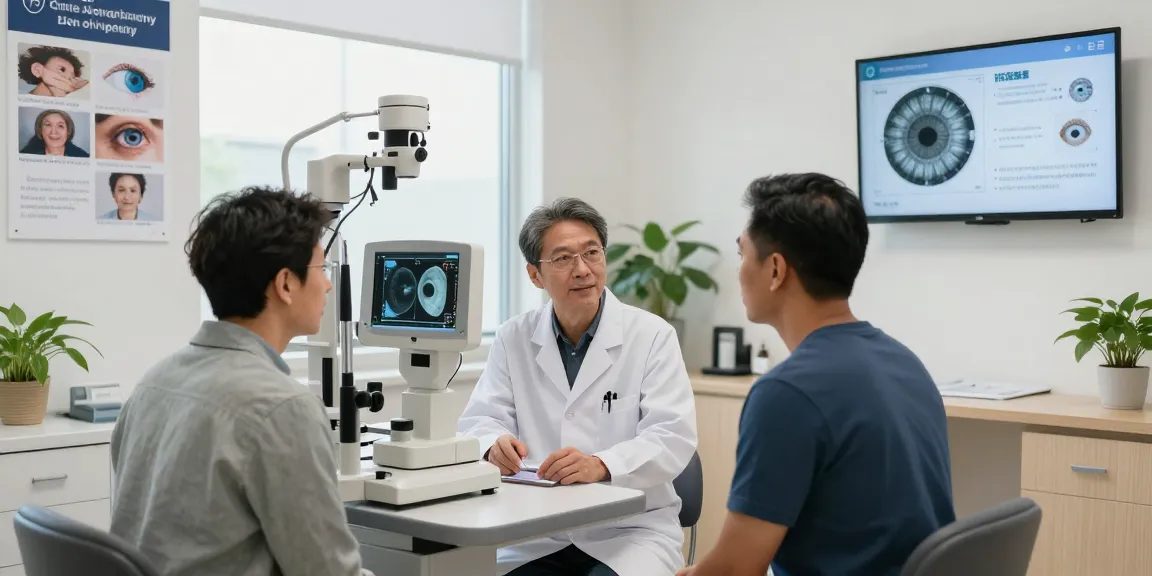
Understanding Your Eye Health Needs
When it comes to eye health, understanding your unique vision requirements is crucial for maintaining optimal eyesight. Many individuals often overlook basic signs of vision problems, which can escalate into more serious issues if not addressed promptly. At the SNU Eye Clinic, we believe that an informed patient is a better advocate for their own health. This article will guide you through common vision problems, how to assess your eye care history, and the importance of comprehensive eye exams. When exploring options, snuseoul provides comprehensive insights into eye care that can significantly benefit your path to clearer vision.
Identifying Common Vision Problems
Understanding the symptoms of common vision problems is the first step in seeking appropriate treatment. Here are some prevalent conditions:
- Myopia (Nearsightedness): Difficulty seeing distant objects clearly.
- Hyperopia (Farsightedness): Trouble focusing on close objects.
- Astigmatism: Blurred vision due to an irregularly shaped cornea.
- Presbyopia: Age-related difficulty in focusing on nearby objects.
- Glaucoma: Increased pressure in the eye that can lead to vision loss.
Recognizing these symptoms early can lead to timely interventions and treatments that improve your quality of life.
Assessing Your Eye Care History
Your eye care history is essential in determining the current state of your vision. Past surgeries, medications, and family history of eye diseases can significantly influence your care plan. It is important to keep track of:
- Previous eye conditions and treatments
- Family history of vision problems
- Current medications that may affect your eyesight
Being consistent in updating your eye care history will allow our specialists at SNU Eye Clinic to provide personalized care tailored to your specific needs.
Evaluating the Importance of Comprehensive Eye Exams
Comprehensive eye exams are vital for early detection of eye diseases. They typically include tests to assess your vision, eye pressure, and overall eye health. Regular examinations can help in diagnosing conditions that may not present noticeable symptoms initially, such as glaucoma or diabetic retinopathy. The general recommendation is to have a full eye examination every two years, or annually if you have existing vision problems or a family history of eye disease.
Key Treatments Offered at SNU Eye Clinic
At SNU Eye Clinic, we offer a range of treatments designed to meet the diverse needs of our patients. Our state-of-the-art facility provides advanced treatment options, backed by rigorous testing protocols.
Overview of 52 Detailed Tests Available
We perform a comprehensive program that includes 52 detailed tests across seven categories. These tests are crucial for accurate diagnosis and effective treatment planning. Categories include:
- Visual Acuity Tests
- Refractive Error Tests
- Ocular Health Assessments
- Corneal Topography
- Fundus Photography
- Visual Field Testing
- Retinal Imaging
Each test allows our eye specialists to gain a holistic view of your eye health, ensuring that no detail is overlooked.
Personalized Approach to Vision Correction
Every patient has unique needs when it comes to vision correction. At SNU Eye Clinic, we prioritize personalized treatment plans that cater to individual lifestyles and vision requirements. Our approach includes assessing your specific condition and discussing various options available, from glasses and contact lenses to surgical interventions.
Advanced Solutions: ICL and Toric ICL Explained
For those needing advanced correction options, the Implantable Collamer Lens (ICL) and Toric ICL are excellent solutions. These procedures are particularly beneficial for patients with high degrees of myopia, hyperopia, or astigmatism. The ICL is placed inside the eye to improve vision, while Toric ICLs specifically address astigmatism needs. Both options offer the advantage of sparing corneal tissue and are reversible, allowing for adjustments if necessary.
Why Choose SNU Eye Clinic?
With a commitment to excellence, SNU Eye Clinic sets itself apart in Korea’s healthcare landscape. Here’s why we are the preferred choice for eye care.
Proven Track Record: 50,000+ Successful Surgeries
Our success story is highlighted by performing over 50,000 eye surgeries with exceptional accuracy. Patients can trust in our expertise, knowing that we utilize the latest techniques and technology to achieve optimal outcomes.
Innovative Technology in Eye Care
At SNU Eye Clinic, we are committed to integrating the most innovative technologies into our services. This includes advanced laser systems for vision correction and cutting-edge diagnostic tools that enhance our ability to care for your eyes. Our investment in technology ensures we deliver the highest standard of care.
Patient-Centric Care Models
Our philosophy revolves around you—the patient. We take the time to listen to your concerns and explain all procedures, ensuring you feel comfortable and informed at every step. Our dedicated team is always available to answer questions and provide support throughout your treatment journey.
Preparing for Your Eye Surgery
Preparation is key to ensuring successful outcomes when undergoing eye surgery. Understanding what to expect can reduce anxiety and lead to a smoother process.
What to Expect Before the Procedure
Prior to your surgery, you will undergo a thorough pre-operative assessment. This may include additional tests to ensure you are an ideal candidate for the procedure. Our team will also provide specific instructions regarding medication adjustments and dietary restrictions leading up to your surgery date.
Post-Surgery Care and Tips for Recovery
After surgery, proper post-operative care is crucial. You will receive personalized instructions on eye care, including how to minimize strain and what signs to monitor for potential complications. Adhering to these guidelines will significantly enhance your recovery experience.
Measuring Success: Tracking Vision Improvement
Following surgery, tracking your vision improvement is essential. Regular follow-up appointments will help us monitor your recovery and make any necessary adjustments to your treatment plan. Patients often experience rapid improvements, but it’s important to remain patient as full recovery can take time.
Future Trends in Eye Care and Surgery
The field of ophthalmology is continuously evolving. Advancements in technology and research are paving the way for better eye care solutions.
Emerging Technologies in Eye Treatment
Innovations such as gene therapy for retinal diseases and AI-assisted diagnostics are changing the landscape of eye treatment. These technologies promise to enhance precision in diagnostics and treatment, potentially leading to better outcomes for patients.
Predictions for Eye Health in 2026
As we look to the future, the integration of technology in eye health management will likely expand. We anticipate the adoption of telemedicine for routine check-ups and the use of wearable technology for real-time monitoring of eye conditions.
Advancements in Personalized Medicine for Eye Care
Personalized medicine is becoming a vital trend in all medical fields, including eye care. Tailoring treatments based on individual genetic profiles and lifestyle factors can lead to more effective interventions and better patient outcomes.
What types of tests are offered at SNU Eye Clinic?
We offer a comprehensive range of tests designed to evaluate every aspect of your eye health. From basic vision screenings to advanced imaging technologies, our tests are thorough and effective.
How can I prepare for my eye surgery?
Preparing for eye surgery involves understanding the procedure, following pre-operative instructions provided by your eye care specialist, and ensuring you have support for transportation and recovery afterward.
What should I know about ICL and Toric ICL?
ICL and Toric ICL are advanced options for vision correction that involve implanting a lens inside your eye. They are particularly effective for individuals with high refractive errors.
Why is a personalized approach important in eye care?
A personalized approach ensures that treatments align with your specific vision needs, lifestyle, and health considerations, fostering better outcomes and satisfaction.
What are the current trends in eye health technology?
Current trends include the use of AI in diagnostics, telemedicine services for eye consultations, and minimally invasive surgical techniques that focus on quicker recovery times.


